Skip to content
Dangerous Goods by AirConsulting
Call

Ship dangerous goods by air with the rules on your side.

Independent consultancy for shippers, freight forwarders, airlines, ground handlers and postal operators. Led by David Brennan, who ran IATA's dangerous goods function for 21 years and spent 17 of them on the ICAO panel that writes the regulations.

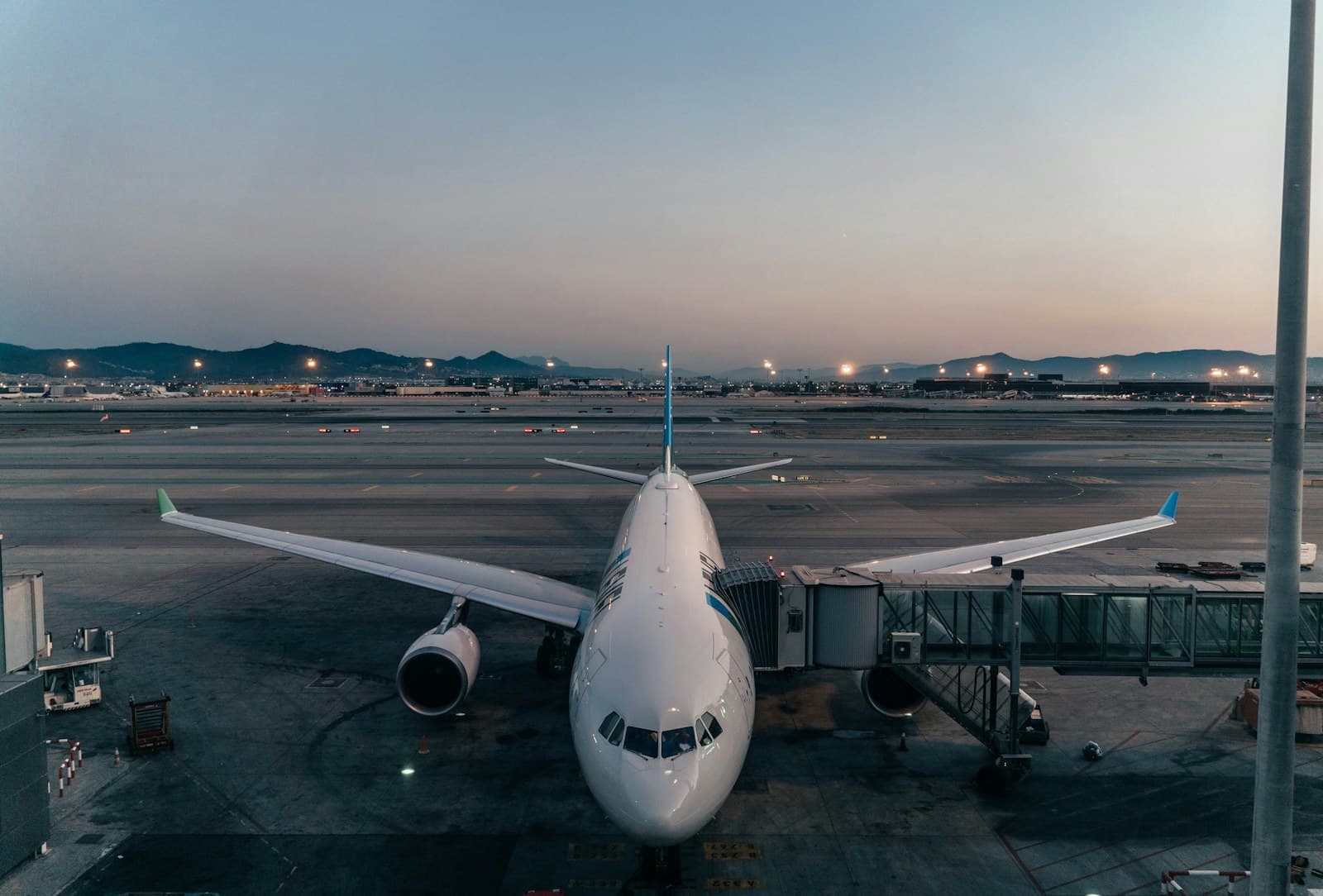
Aircraft parked at an airport gate at dusk with ground equipment alongside
21 years
leading IATA's dangerous goods function, 2002 to 2023
2003 to 2023
Secretary of the IATA Dangerous Goods Board
2006 to 2023
IATA's member on the ICAO Dangerous Goods Panel
26 years
at Ansett Australia, finishing as Corporate Advisor Dangerous Goods Compliance

Who David works with

The ICAO Technical Instructions and the IATA DGR are long because flight safety demands it. The work is translating them into what your people do at the bench, the counter and the ramp.

All services

Shippers and freight forwarders

Dangerous goods audits, product classification, CASA approvals and exemptions, and technical advice for Australian shippers and freight forwarders moving dangerous goods by air.

  • Dangerous goods audit of your facility and documentation
  • Evaluation of your products against the dangerous goods requirements
  • Liaison with civil aviation authorities

Operators and ground service providers

Dangerous goods manual preparation and review, cargo terminal audits, IATA DGR procedures and CASA liaison for airline operators and ground service providers in Australia and the region.

  • Dangerous goods manual preparation and review
  • Audit of cargo terminals, procedures and documentation
  • Development of procedures to comply with the IATA DGR

Designated postal operators

Procedures for designated postal operators to control dangerous goods entering the mail and to carry permitted items such as lithium batteries in equipment, under the ICAO Technical Instructions and UPU requirements.

  • Procedures to control the introduction of dangerous goods into mail
  • Procedures for the carriage of permitted dangerous goods in mail

Lithium batteries

Expert advice on shipping lithium ion and lithium metal batteries by air: UN 3480, UN 3481, UN 3090, UN 3091, state of charge limits, Section II, packaging, labelling and the 2027 IATA DGR changes.

  • Classification and shipping assessment
  • Procedures, documents and training material
  • Approvals, exemptions and difficult shipments

The person who helped write the rules now helps you meet them

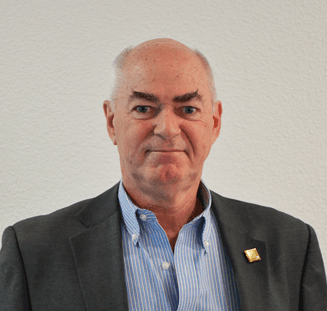
David Brennan, Director of Dangerous Goods by Air Consulting
David BrennanDirector, Dangerous Goods by Air ConsultingAbout David

David Brennan spent 21 years at IATA responsible for developing and publishing its dangerous goods standards, was Secretary of the IATA Dangerous Goods Board for twenty years, and sat as IATA's representative on the ICAO Dangerous Goods Panel, the body that writes the Technical Instructions every airline and shipper in the world must follow. Before that, 26 years at Ansett Australia.

“Nearly twenty years inside that room taught me that the rules evolve faster than most compliance teams realize.”
David Brennan, September 2026

David with two former chairs of the ICAO Dangerous Goods Panel, explaining how a proposal becomes a binding international regulation. Recorded September 2026 by HazMat Safety Consulting.

How an engagement runs

  1. Step 1

    A scoping call

    Twenty minutes on what you ship or handle, where it is going, what has gone wrong and what you need to be able to show a regulator or a customer.

  2. Step 2

    Review or audit

    On site or remote. Products, packaging, documents, procedures and records are checked against CASR Part 92, the ICAO Technical Instructions and the current IATA DGR.

  3. Step 3

    Written findings and fixes

    A plain-language report with prioritised corrective actions, and the procedures, manual sections or approval applications that close them out.

  4. Step 4

    Ongoing advice

    A direct line for the unusual shipment, the audit question or the next edition of the regulations.

What is changing in the regulations

A new edition of the IATA DGR takes effect every January. Most non-compliances David sees come from a procedure written for an edition that no longer applies.

Regulatory updates and insights
  • 1 January 2026

    IATA DGR 67th edition in force

    Certain lithium ion batteries packed with equipment must now be offered at no more than 30 per cent state of charge. New UN entries for sodium ion batteries and lithium metal batteries in cargo transport units are listed as impending.

  • 1 January 2027

    IATA DGR 68th edition

    The next edition applies from the first day of 2027. Manuals, procedures and training material need a scheduled review before then.

  • Ongoing

    CASR Part 92 in Australia

    Shippers, forwarders and operators carry obligations on training, documentation, record keeping and incident reporting under Part 92, with recurrent training required every 24 months.

Questions David is asked most

Who is responsible for dangerous goods compliance when shipping by air in Australia?

The shipper. Under CASR Part 92 and the ICAO Technical Instructions, the person who consigns dangerous goods is responsible for classifying, packing, marking, labelling and declaring them correctly, and for making sure the people who do that work are trained. The airline and ground handler then have their own acceptance, storage and loading obligations.

What is a dangerous goods manual and who needs one?

An operator's dangerous goods manual sets out how an airline or aircraft operator meets its dangerous goods obligations: acceptance, storage, loading, notification to the pilot in command, incident reporting, training and record keeping. In Australia it is a requirement under CASR Part 92 for operators that carry dangerous goods, and it has to be kept current with each edition of the regulations.

How often does dangerous goods training need to be renewed?

Every 24 months. Both the IATA Dangerous Goods Regulations and CASA's two-yearly training instrument require recurrent training within 24 months of the previous training for everyone involved in preparing, offering, accepting or handling dangerous goods. Training is delivered by CASA-approved training organisations; David advises on the competency-based programmes and procedures that sit around it.

Can lithium batteries be shipped by air?

Yes, under conditions that depend on the battery type, whether it is on its own, packed with equipment or contained in equipment, its Watt-hour rating, its state of charge and the aircraft type. Standalone lithium ion and lithium metal batteries are restricted to cargo aircraft, and from 1 January 2026 lithium ion cells and batteries packed with equipment must be offered at no more than 30 per cent state of charge. A product-by-product assessment is the safe way to find out what applies to you.

What is the difference between the ICAO Technical Instructions and the IATA DGR?

The ICAO Technical Instructions are the international legal standard, adopted into Australian law through CASR Part 92. The IATA Dangerous Goods Regulations are the industry's field manual that incorporates the Technical Instructions and adds operator and state variations and practical guidance. A new edition of the DGR takes effect every 1 January; the 67th edition applies in 2026 and the 68th from 1 January 2027.

Do you work with businesses outside Melbourne?

Yes. David is based in Brighton East, Victoria, and works with clients across Australia, New Zealand, Asia Pacific and internationally. Audits and procedure development are done on site or remotely as the work requires.
Talk to David about your shipment, your manual or your audit

Based in Brighton East, Victoria, working with clients across Australia and internationally. Enquiries are answered within one business day.